
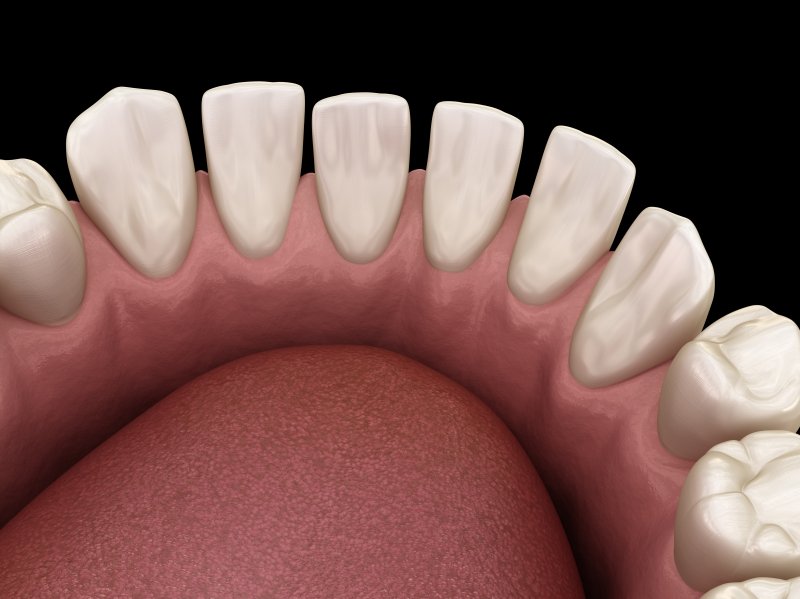
Dental misalignments are common oral health issues that can lead to a host of problems like hygiene difficulties, trouble with speaking and chewing, and increased risk of infections and injuries. Thankfully, Invisalign can be a comfortable and effective way to straighten out teeth so patients can enjoy healthier and more beautiful smiles. Here’s a brief look at a few types of dental misalignments Invisalign can treat as well as how treatment works.
How Does Invisalign Work?
Invisalign is a modern orthodontic alternative to traditional metal braces that can realign smiles using removable plastic aligners that are virtually invisible when worn. This means that patients will be able to straighten out their smiles without worrying about dietary restrictions, intensive oral hygiene requirements, or other people noticing their orthodontic appliances. However, patients will still need to brush and floss frequently to prevent food debris and sugary residues from being trapped between the aligners and their teeth, which can lead to stains and infections.
What Kind of Dental Misalignments can Invisalign Treat?
Invisalign can address many mild to moderate dental misalignments like:
- Gaps: Invisalign can draw spaced out teeth closer together, which will close gaps.
- Crowding: Invisalign can spread teeth that are too close together into a more even alignment, which can help prevent cavities and enamel erosion.
- Overbites: This means the top teeth are positioned too far in front of the bottom teeth. The treatment can help reposition the top teeth so they rest more evenly in front of the bottom teeth when the mouth is closed, which can help prevent injuries.
- Underbites: This is when the bottom teeth are positioned in front of the mouth teeth when the mouth is closed. Invisalign can reposition the lower teeth so they sit behind the front ones. However, this might require additional orthodontic devices such as elastics.
- Crossbites: This is when some of the bottom teeth sit in front of the bottom ones when the mouth is closed. Invisalign can reposition teeth to create a more even grin that is easier to keep clean.
- Open bites: This means the top and bottom teeth do not overlap when the mouth is closed. Invisalign can help draw the dental arches closer together so they can work properly during chewing and speaking.
However, patients who have especially severe dental misalignments may be better served by another form of orthodontic treatment.
Don’t let dental misalignments make it difficult to speak, eat, and smile comfortably. Consulting with your dentist can help you find the best way to straighten out your grin.
About the Practice
Plexus Dental of Plano offers the finest oral health services in town. Led by Drs. Arpan Patel, Niki Jawswal, and Ann Han, the staff treats each patient with compassion, courtesy, and exemplary customer service. Areas of expertise include general, restorative, cosmetic, and emergency dentistry as well as Invisalign services. To learn more about Invisalign, contact the office online or dial (469) 241-0350.